Hardtail vs. Full-Suspension E-MTB: Which One Should You Choose?
2026-08-12
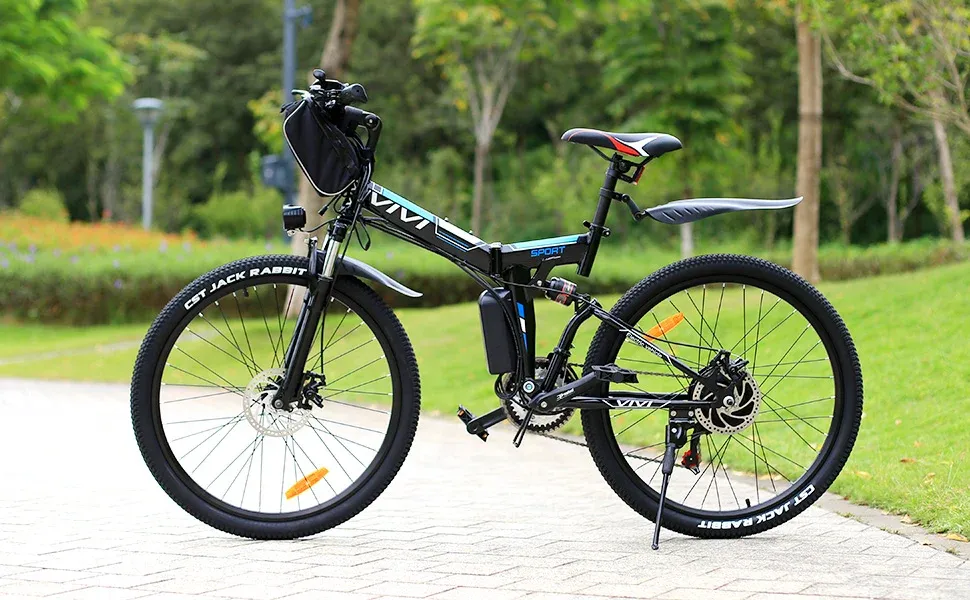
Introduction to E-MTBs
Choosing the right electric mountain bike is essential for comfort and ride quality. The two main categories of e-MTBs are hardtails and full-suspension models. In this guide, we explore the key differences, benefits, and drawbacks of each to help you decide which configuration best suits your riding style.
Hardtail E-Bikes
What is a hardtail?
Hardtail e-bikes feature a front suspension fork but have a rigid rear frame. This means the front wheel can absorb shocks and vibrations, while the rear remains unsuspended, offering a direct connection to the terrain.
Pros of hardtail e-bikes
- Pedaling efficiency: Hardtails are generally lighter and more efficient, requiring less energy transfer loss, which is great for long-distance cruising.
- Lower cost: With fewer complex moving parts, hardtails are typically more affordable, making them an excellent entry point for budget-conscious riders.
- Low maintenance: A simpler design means fewer components to service, keeping your time in the workshop to a minimum.
Cons of hardtail e-bikes
- Rougher ride: Without rear suspension, you will feel more of the trail's bumps and chatter, which can be fatiguing on technical terrain.
- Limited versatility: While capable, hardtails are best suited for gravel paths, fire roads, and smoother singletrack rather than aggressive, rocky trails.
- Reduced comfort: On long rides over uneven surfaces, the lack of rear-end compliance can lead to increased physical strain.
Full-Suspension E-Bikes
What is full-suspension?
Full-suspension e-bikes feature both front and rear shock absorbers. These bikes are designed to handle complex terrain by isolating the rider from impacts, providing a smoother and more controlled experience.
Pros of full-suspension e-bikes
- Superior comfort: The rear shock drastically improves comfort, especially when navigating roots, rocks, and drops.
- Versatility: These bikes are true all-rounders, capable of handling everything from steep technical climbs to fast, rugged descents.
- Better traction: The rear suspension keeps the tire in contact with the ground more consistently, significantly boosting control and safety on loose surfaces.
Cons of full-suspension e-bikes
- Higher cost: The advanced engineering and additional components make full-suspension models a larger financial investment.
- Weight: Due to the linkage and rear shock, these bikes are heavier, which can impact maneuverability in tight sections.
- Efficiency trade-off: The rear suspension can absorb some of your pedaling energy, though modern lockout features have largely mitigated this issue.
How to make your choice?
The decision comes down to your local terrain and personal goals. If you prioritize speed, efficiency, and riding on well-maintained trails, a hardtail is often the smarter choice. However, if your rides take you into the backcountry, over technical obstacles, or if you simply prioritize maximum comfort, a full-suspension e-bike is the way to go.
Conclusion
Regardless of your choice, an e-bike is a fantastic investment for anyone looking to explore the outdoors in a fun and sustainable way. By understanding the fundamental differences between hardtail and full-suspension setups, you can make an informed decision that ensures every ride is a great one.
Related link
Składany elektryczny rower górski z pełnym zawieszeniem
Elektryczny rower górski TheL łączy w sobie właściwości terenowe roweru górskiego, wygodę składanego roweru elektrycznego i komfort roweru miejskiego.